
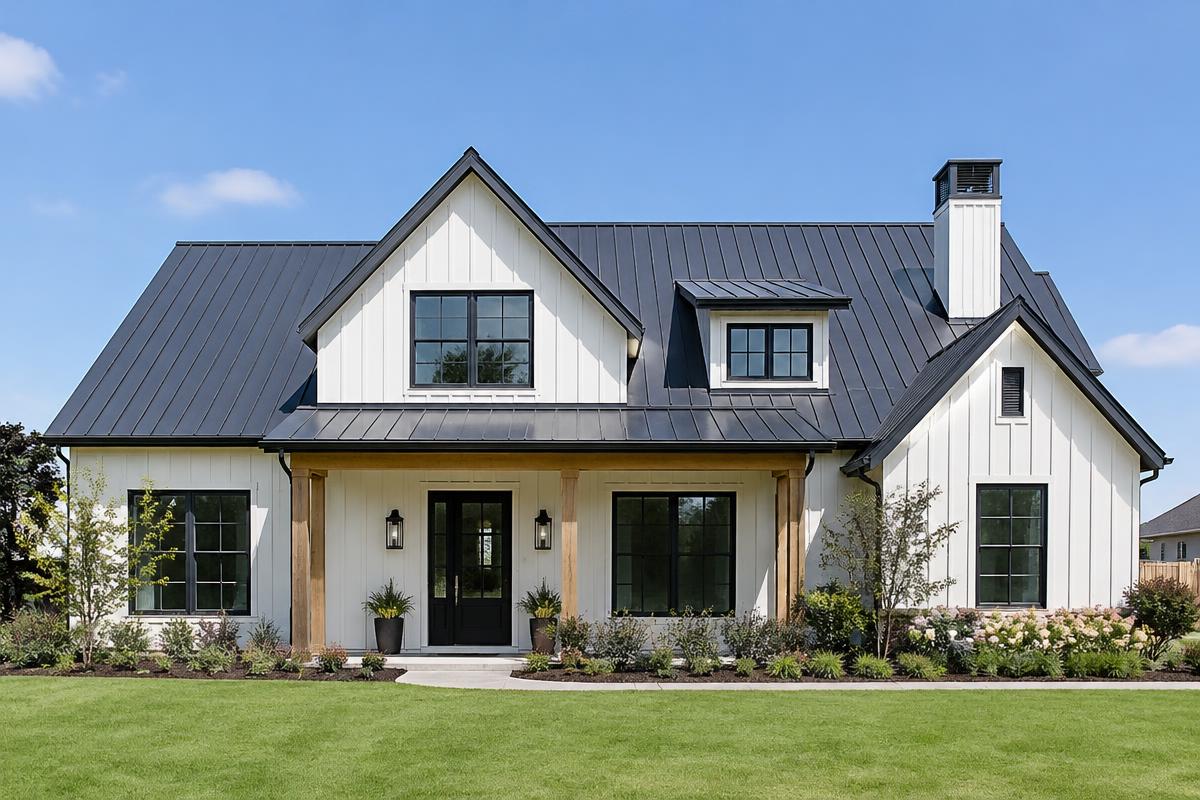
What stone-coated steel is
A formed steel panel is coated with asphalt and mineral granules, then finished with a painted or glazed coat. The result is a metal roof with the texture and shadow lines of a traditional roof.
How it compares
It is much lighter than clay or concrete tile, so it often goes on a structure that could not carry tile. Many stone-coated steel systems carry a Class 4 impact rating and high wind ratings — confirm the specific panel's published ratings, because they vary by product.
Compared with asphalt shingles, it costs more up front and is chosen for longevity and appearance. We put both options in writing so you can compare them line by line.
Details that make or break it
Two stone-coated steel quotes can cover very different work. These are the details that decide the result.
- The panel profile and manufacturer system, not a generic "metal" line item
- Underlayment and eave protection as the system requires
- Ridge, valley and hip details designed for that profile
- Ventilation under the panels
- Walkway pads where service equipment sits on the roof
What to verify in the estimate
Ask for the product by name. Then check what the paperwork actually promises.
- Brand, profile and color name
- Impact class and wind rating from the published data sheet
- Finish warranty terms for granule loss, fading and chalking
- Corrosion warranty terms
- Whether the system requires a certified installer
When it is the right call
Homeowners pick stone-coated steel when they want a tile or shake look without tile weight, or when a roof has taken repeated hail. It is also a fit when you plan to stay long enough for the up-front cost to make sense.
The rest of the roof matters too
See Your Roof's Anatomy for how the layers work together, our LumaNail fastener guide for what holds the roof down, and our attic ventilation guide for intake and exhaust. Every material choice starts with a free Roof Protection Inspection and a written Roof Protection Damage Report.