
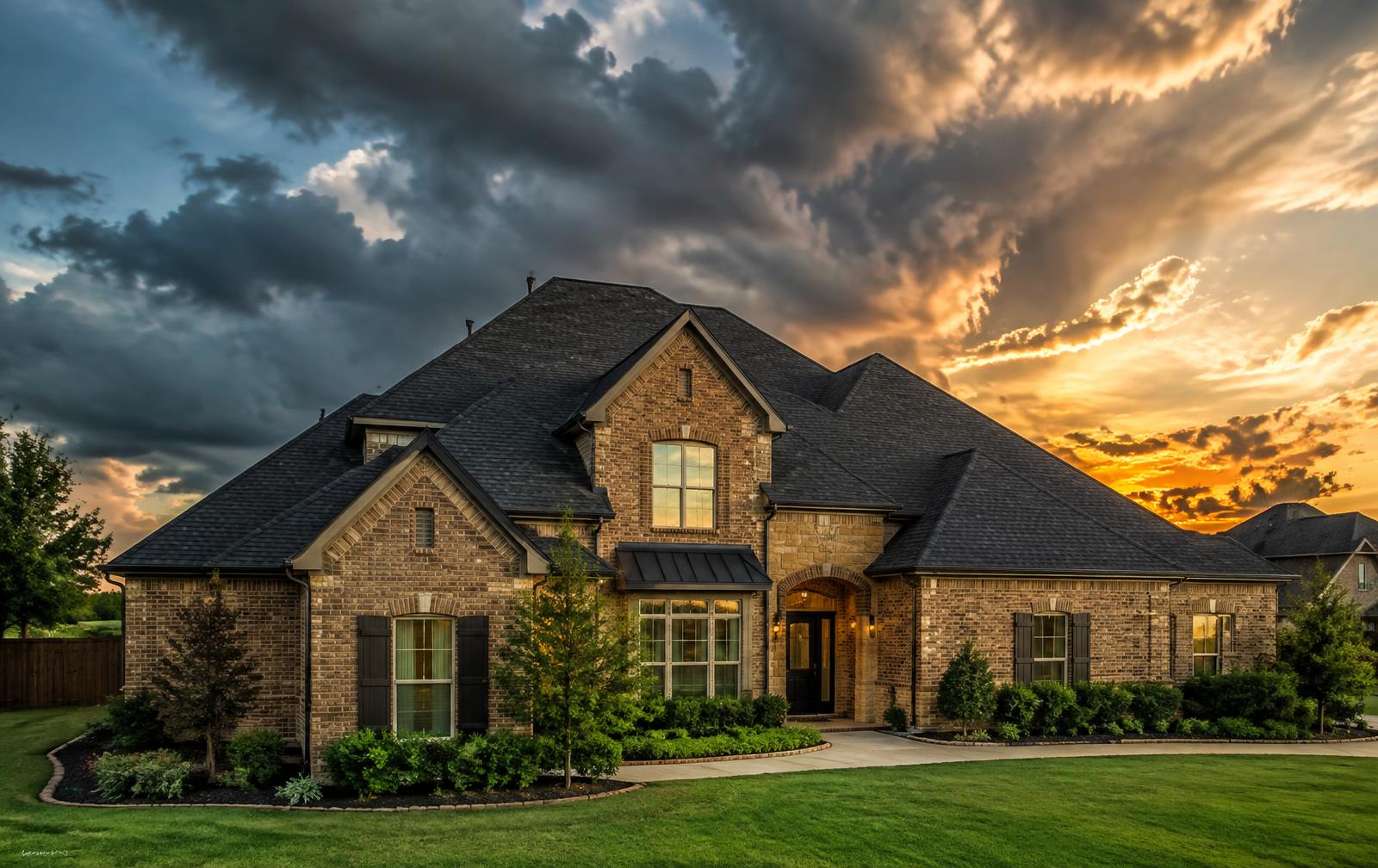
Why clay tile lasts
Fired clay does not rot, and it resists fire and UV better than asphalt. Tiles are hung or set over an underlayment, so the roof system has a backup layer beneath the visible tile.
The weight question comes first
Clay tile is heavy. A home that never carried tile may need framing review and reinforcement before it can. We evaluate the structure before quoting tile — that review is the difference between a tile roof that works and one that should never have been installed.
Details that keep a tile roof dry
Tile sheds water, but the joints and the layer beneath it do the real work. These are the details we look at.
- Underlayment type and service life, matched to the tile
- Battens or mortar beds, depending on the profile
- Flashing at walls, chimneys and valleys
- Correct headlap and cut edges at hips and ridges
- Walkway pads for service access
What can go wrong
Tile is tough under weather but brittle under foot traffic. A technician stepping in the wrong spot can crack tiles. Debris and moss in valleys hold moisture, and an underlayment that fails beneath intact tile still leaks.
When tile is not the right choice
If the structure cannot carry it without major work, if the HOA limits it, or if the budget is better spent on a sound roof in another material, we say so. Our job is to tell you what your home can support.
The rest of the roof matters too
See Your Roof's Anatomy for how the layers work together, our LumaNail fastener guide for what holds the roof down, and our attic ventilation guide for intake and exhaust. Every material choice starts with a free Roof Protection Inspection and a written Roof Protection Damage Report.